

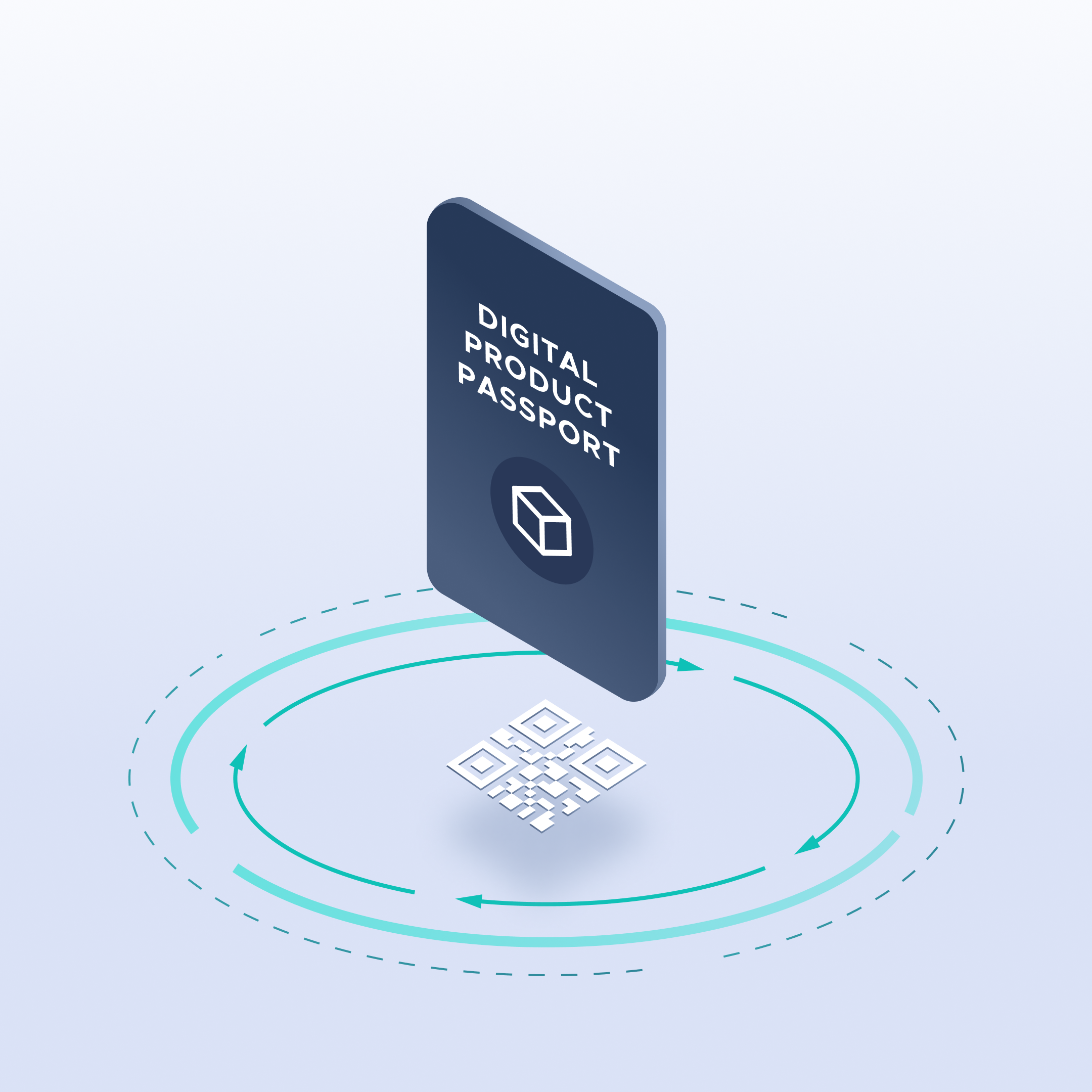
Digital Product Passports (DPPs) are no longer a futuristic concept—they are a looming regulatory requirement under the EU’s Ecodesign for Sustainable Products Regulation (ESPR). While many businesses view DPPs as a “QR code problem” or a front-end disclosure exercise, the reality is far more complex.
A DPP is not a static document; it is a living data model that requires a structured, digital record of a product and its components. To succeed, companies must shift their focus from the “point of disclosure” to the “system of specification.”
What is a Digital Product Passport (DPP)?
At a high level, a DPP is a structured digital record accessible via a data carrier (like a QR code, RFID, or NFC). It enables regulators, customers, and supply-chain partners to understand:
- Material composition: Components, substances, and weights.
- Provenance: Supplier and origin data.
- Sustainability attributes: Recyclability, recycled content, and hazardous substances.
- Lifecycle instructions: How a product should be handled at the end of its life.
The Data Integrity Challenge
The hardest part of DPP compliance happens upstream. Most companies currently lack a single system of record for product and packaging specifications. Instead, critical data lives in fragmented silos—emails, PDFs, spreadsheets, and legacy ERPs.
Without structured, spec-level data, businesses will find it increasingly difficult to ensure their DPPs are accurate, scalable, and audit-ready. DPP shifts the compliance burden from one-off reporting to continuous data governance.
Why Spec-First is the Only Path to DPP Readiness
Specright is uniquely positioned to solve the upstream data problem that DPPs create. Unlike ERP systems, which act as systems of transaction, Specright acts as the system of specification.
1. A Native Spec-First Data Model
Specright manages structured specifications for packaging, raw materials, and suppliers. This mirrors the data architecture required by DPPs—it is native, not retrofitted.
2. Validated Supplier Collaboration
DPPs require validated inputs rather than static declarations. Specright enables live collaboration with suppliers, ensuring version history and auditability—critical for the data provenance regulators now demand.
3. One Foundation, Multiple Regulations
DPP data overlaps heavily with other mandates like PPWR (packaging) and EPR (extended producer responsibility). With Specright, you can capture data once and reuse it across all reporting frameworks, turning compliance into a multiplier on your data investment.
4. An Authoritative Data Backbone
Specright is output-agnostic. It doesn’t need to be your QR code generator or your consumer portal; instead, it serves as the authoritative “material truth” that feeds your ERP, DPP service providers, and regulatory portals.
Strategic Takeaway
The arrival of the Digital Product Passport is accelerating a structural shift in product data management. It rewards companies that move away from “reporting exercises” and toward “data strategies”. By establishing spec-level discipline today, businesses can ensure both regulatory compliance and long-term operational value.
-

Danielle Goad
Danielle Goad is the Director, EMEA at Specright, responsible for scaling the company’s presence across EMEA and working with global brands on specification-driven sustainability and compliance. Danielle has held roles across departments at Specright including Customer Success, Product, and Strategic Partnerships over her 7 years with the company. Prior to Specright, Danielle graduated from California Polytechnic State University – San Luis Obispo with her undergraduate in Industrial Technology and Packaging – focused on supply chain.
Explore More Blogs
-

August 12 Is the Start, Not the Finish Line for PPWR
Read More → : August 12 Is the Start, Not the Finish Line for PPWR -

What Retailers Actually Want from Your Packaging Team (And Why Most Brands Aren’t Delivering)
Read More → : What Retailers Actually Want from Your Packaging Team (And Why Most Brands Aren’t Delivering) -

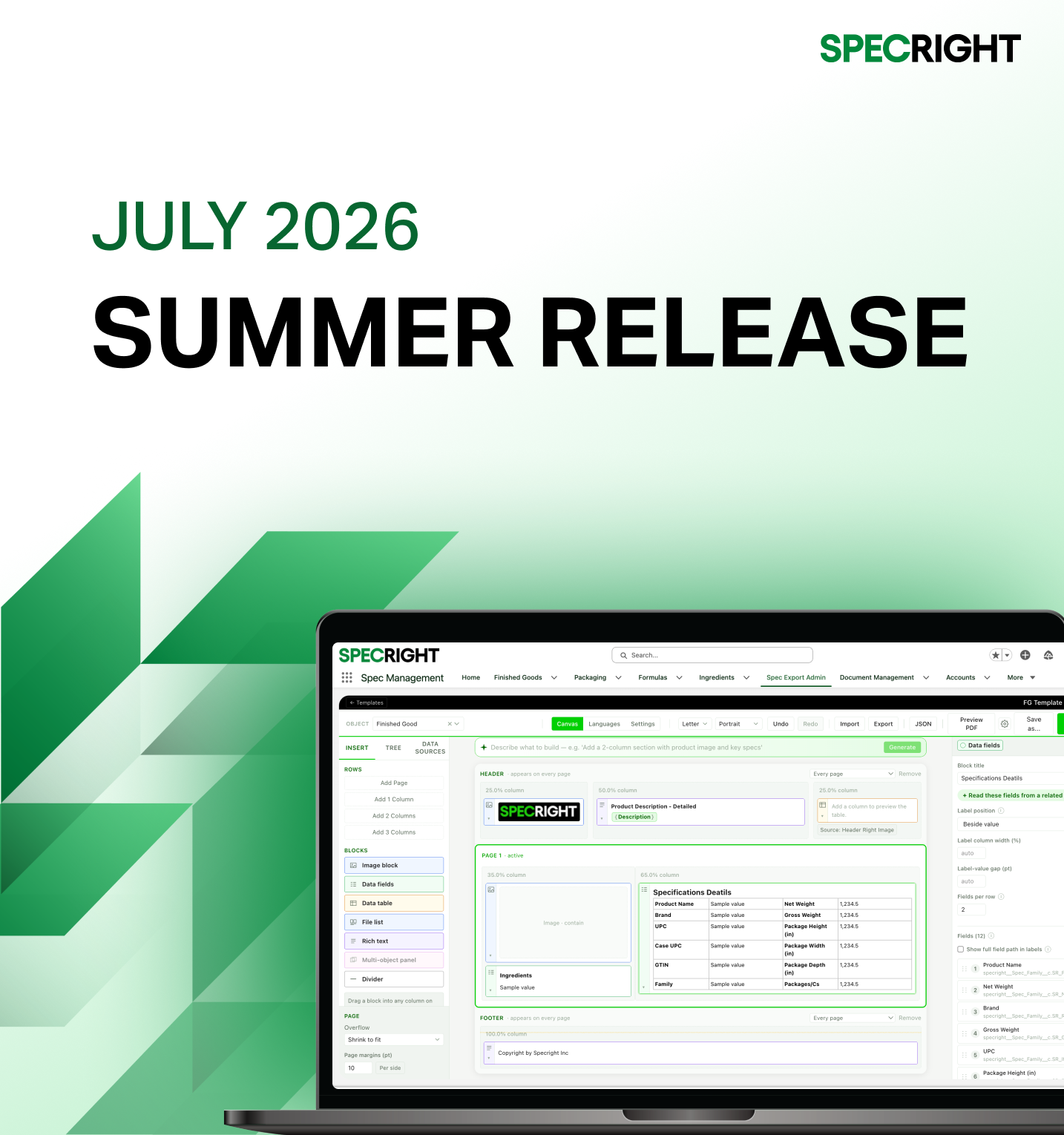
What’s New in Specright: Summer 2026 Release
Read More → : What’s New in Specright: Summer 2026 Release

Get Started
With Specright’s Solution Suite, you can digitize, centralize, and link your specification data to drive efficiencies, intelligence, traceability, and collaboration within your organization and across your supply chain network.